




Making Elliptical pipe connectors, How do you do it?

Started by geoff5269 · 10 replies · 817 views

redhouseluv
Reply #1 · 7 Oct 2026, 21:24
I like all the little jigs and fixtures you have made for the repeating task of making ellipses  :ThumbsUp: :ThumbsUp:
Krypto
Reply #2 · 7 Oct 2026, 23:12
Thanks!  Great jig and I picked-up a few ideas for my own projects.
Jasonb
Reply #4 · 8 Oct 2026, 06:12
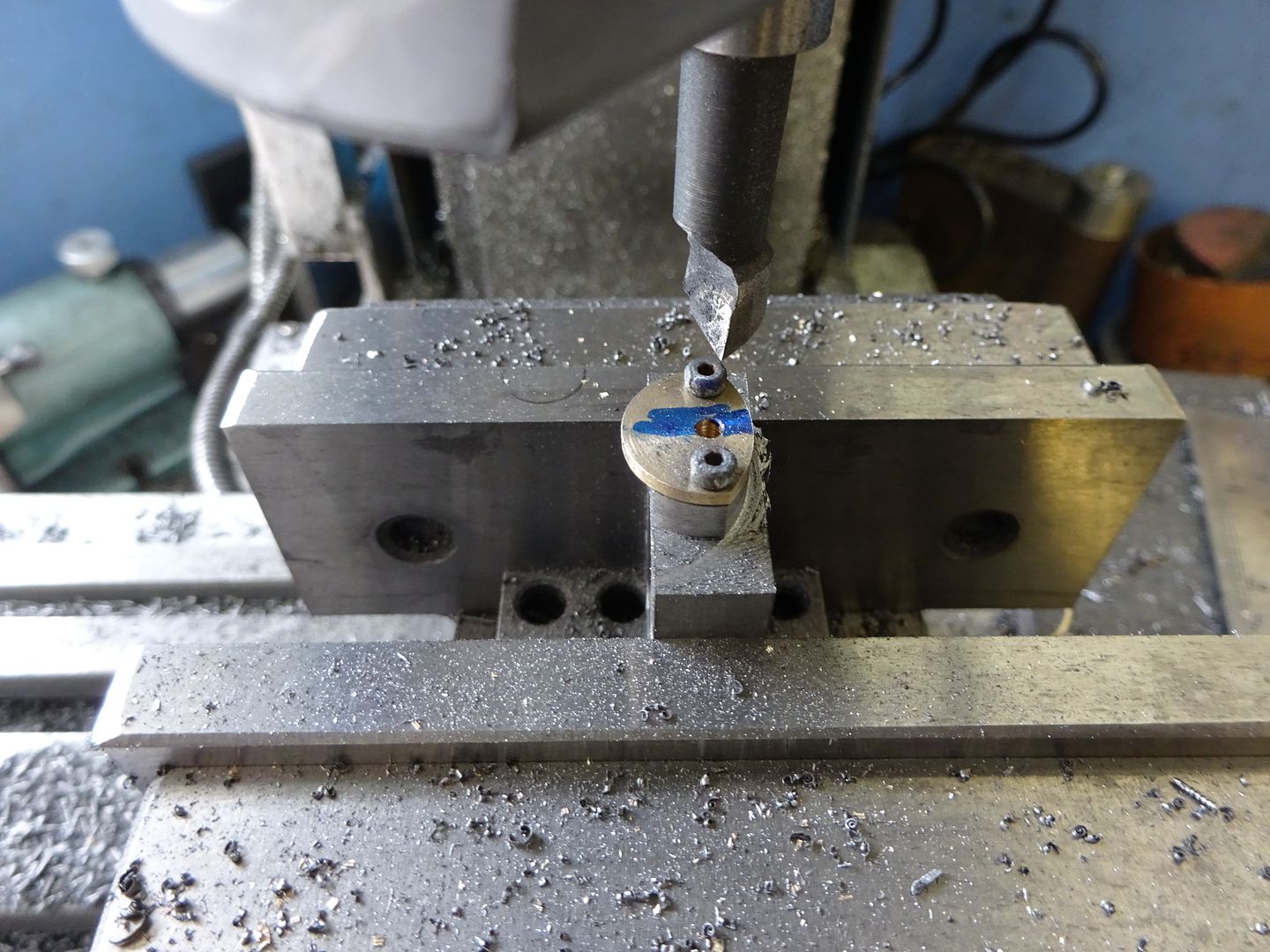
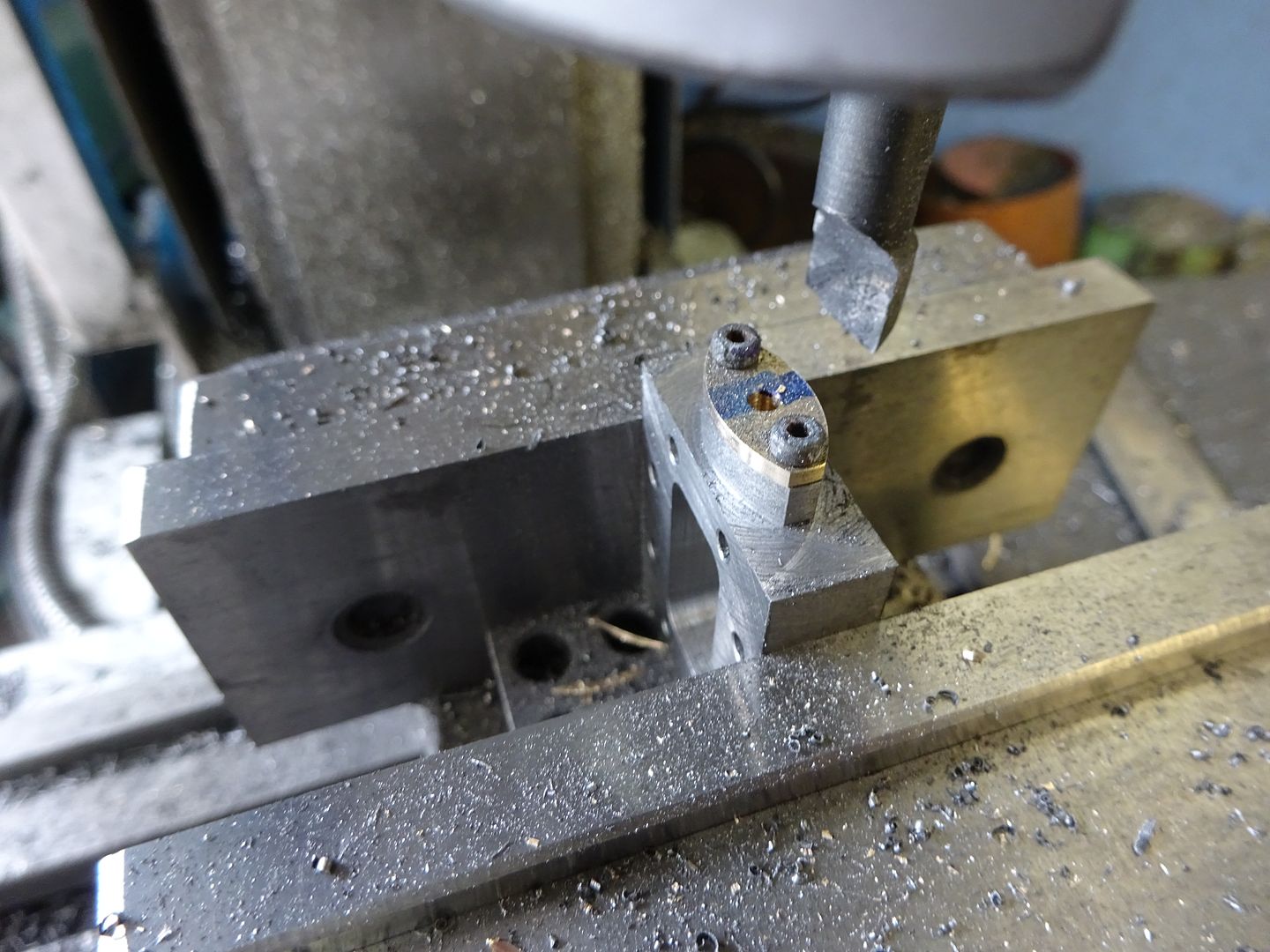
I have done it that way even though it does not give a true ellipse.

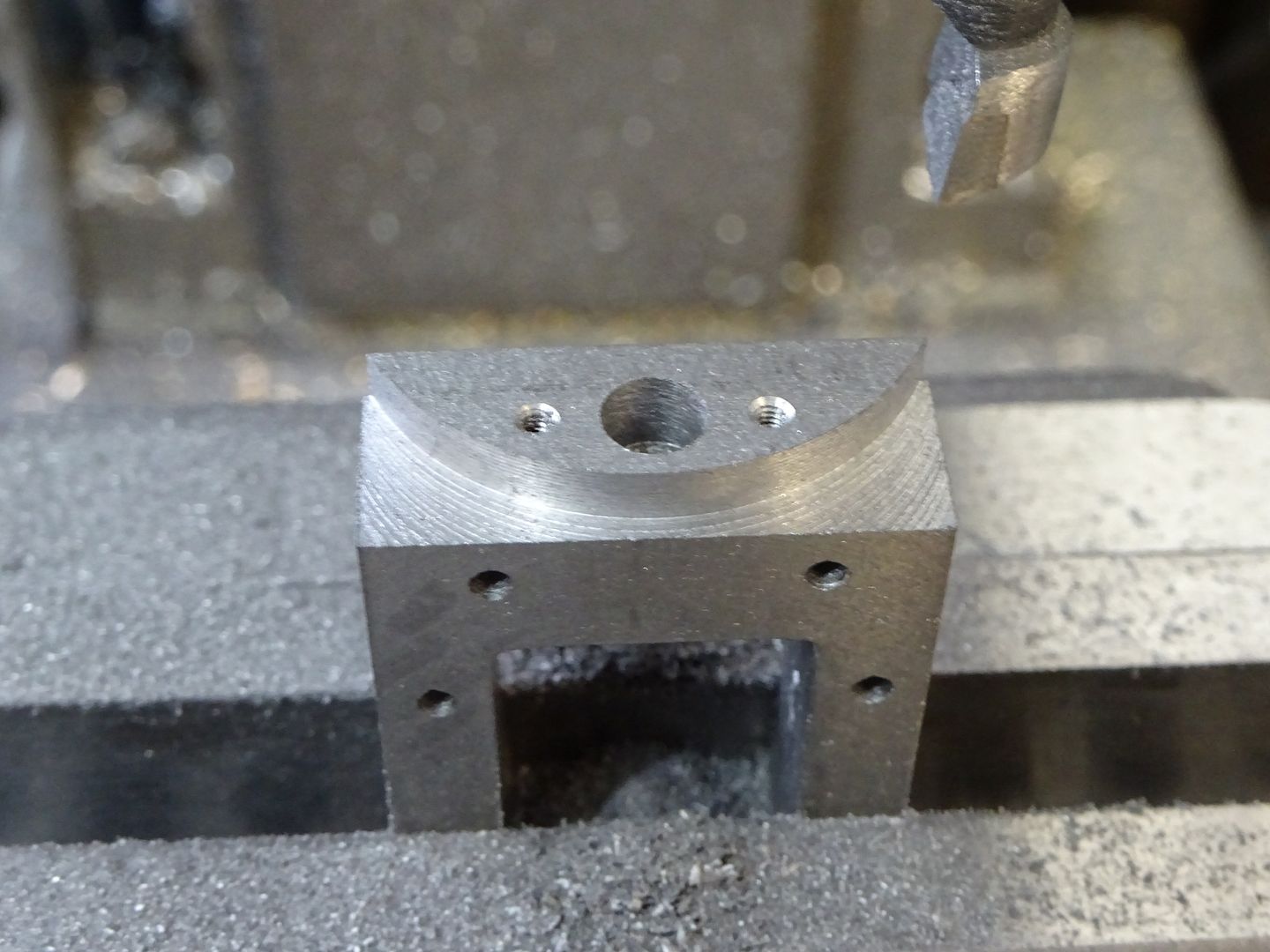
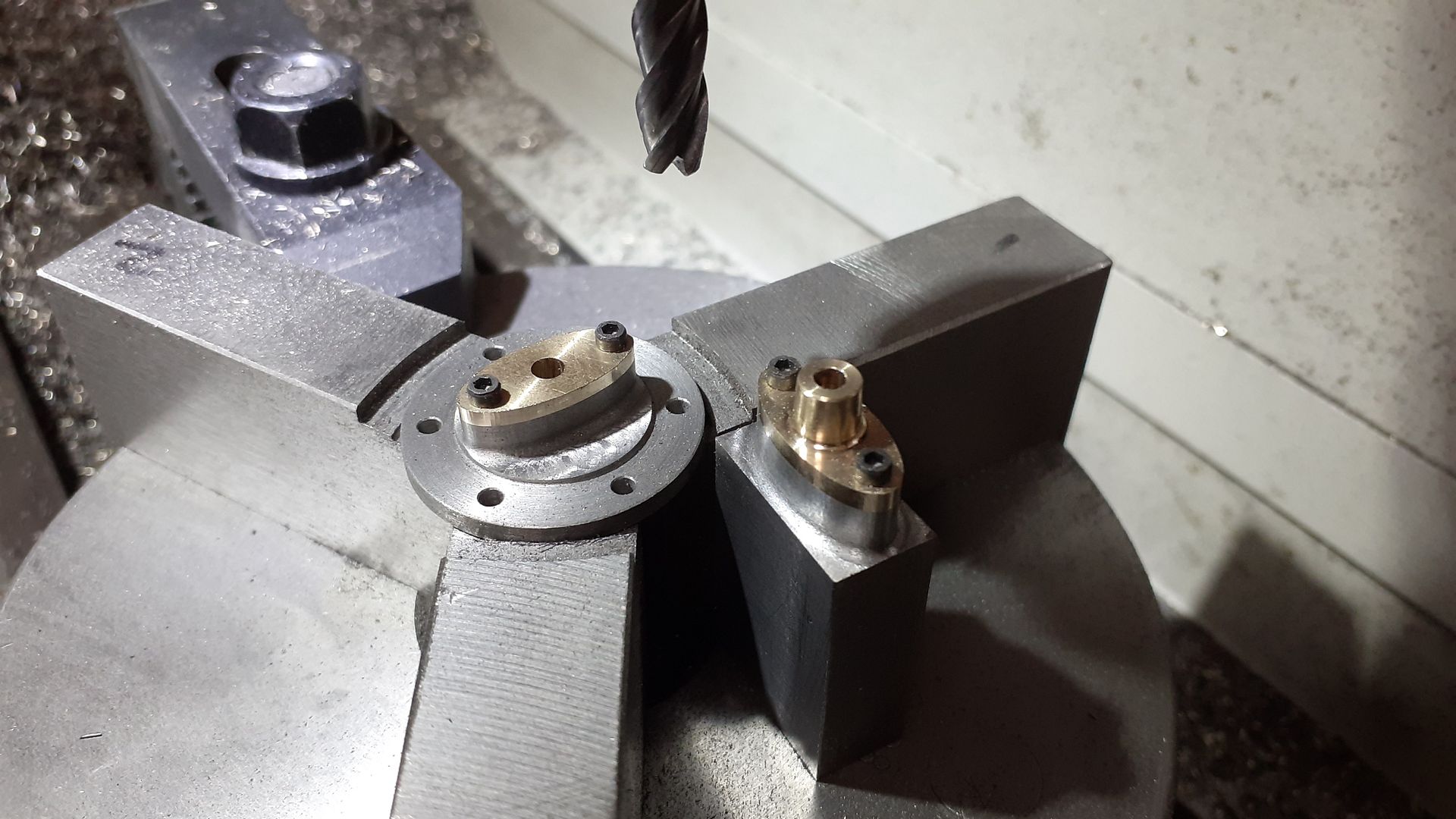
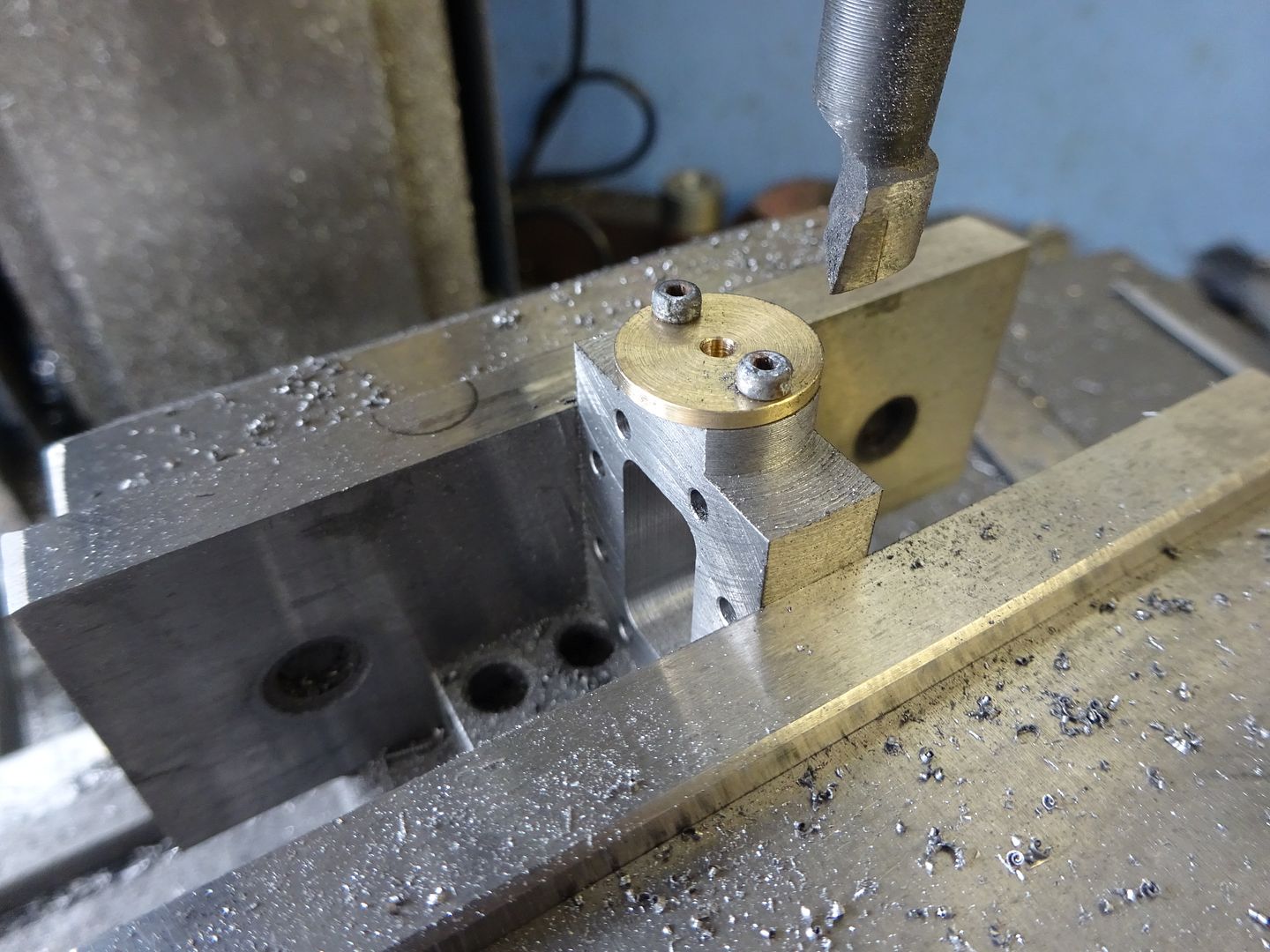
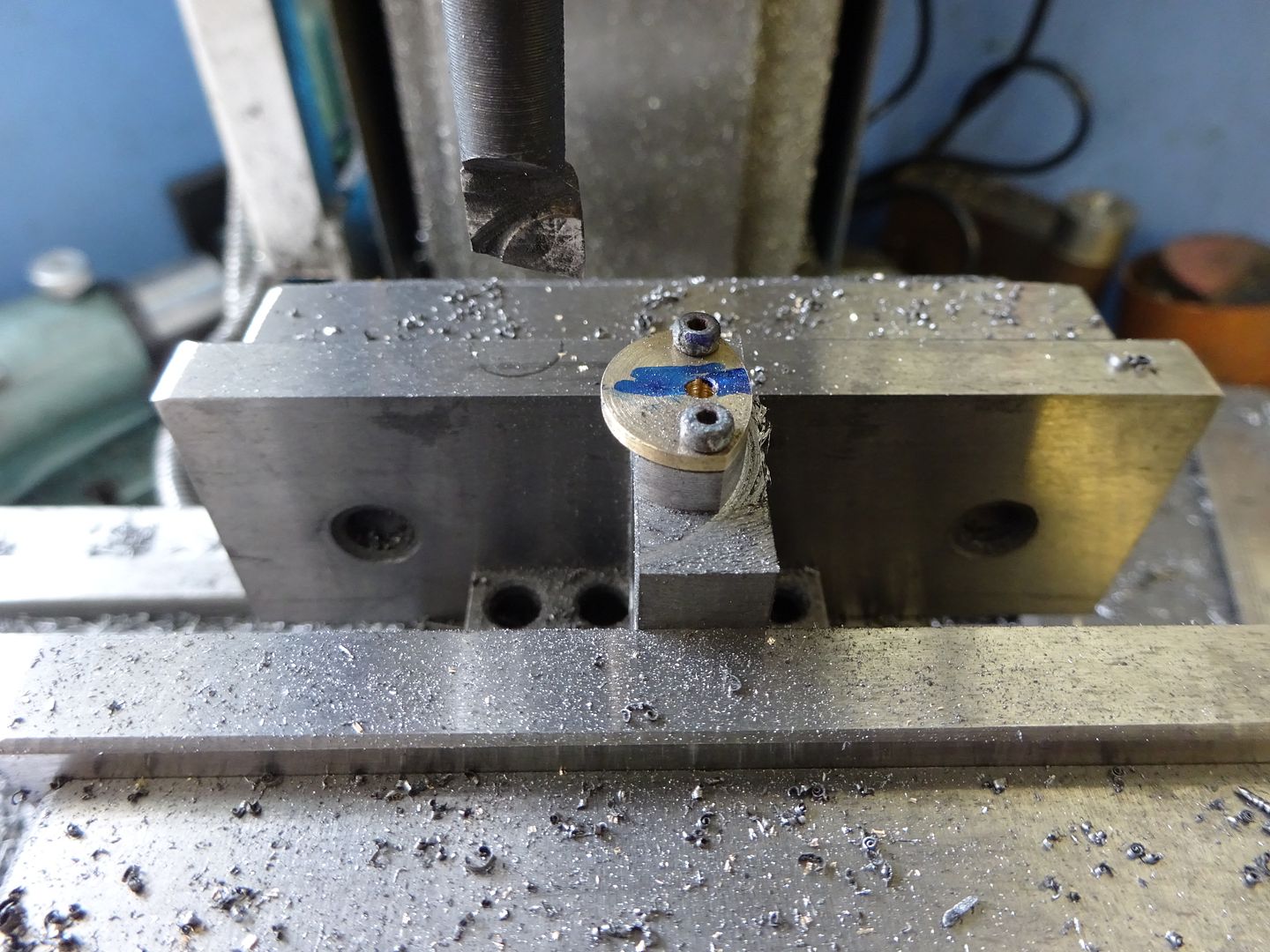
Prior to getting the CNC I tended to use the boring head which does not need a jig for each size flange you may want to cut. Ends can be rounded with filing buttons or held on an arbor to do them with the rotary table.


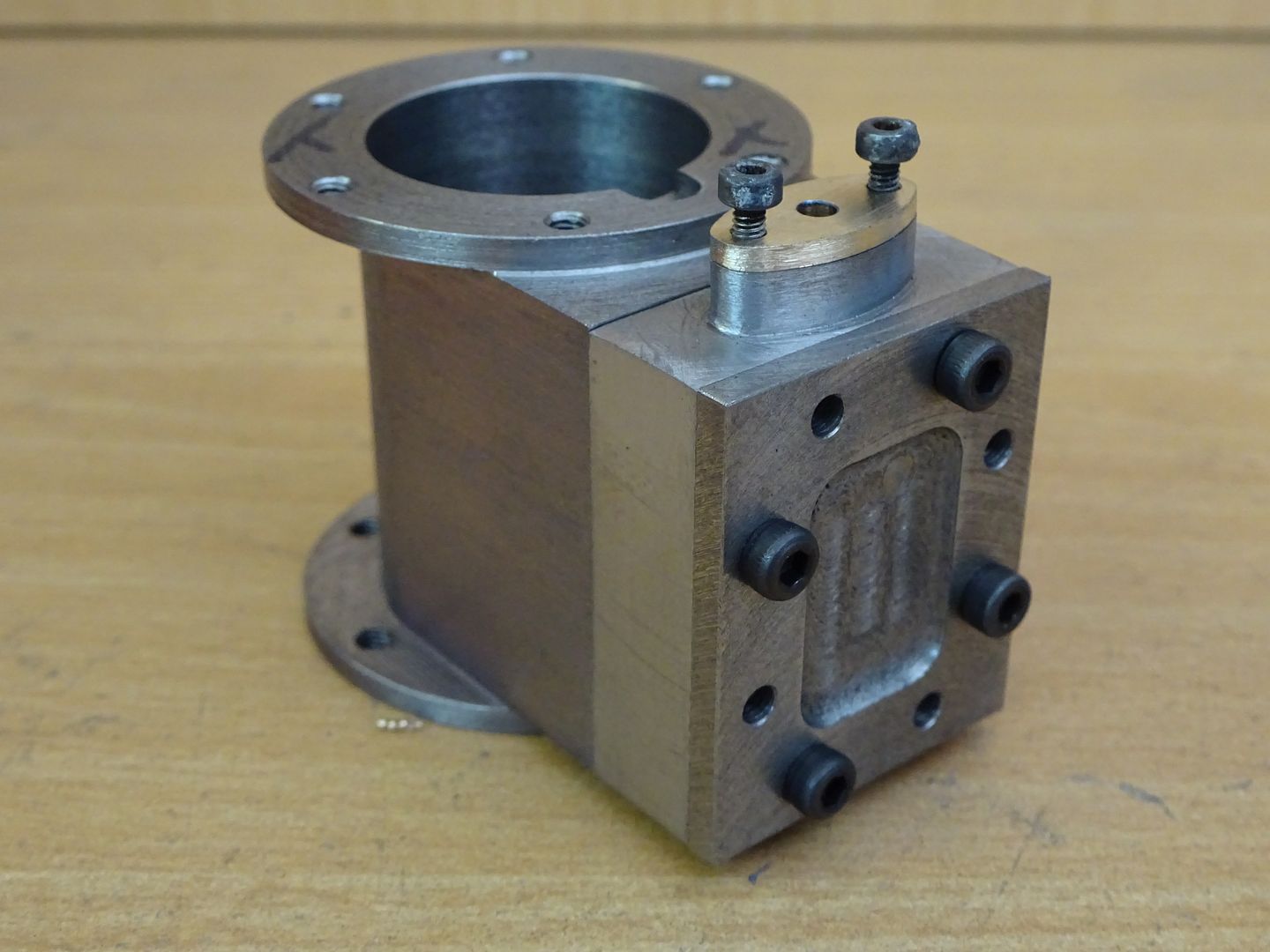
The other advantage is the mating boss can be shaped at the same time if the turned blank is screwed into place. These were CNCed but the principle is the same for doing both at once with the R/T

redhouseluv
Reply #5 · 9 Oct 2026, 00:12
Quote from: JasonbPrior to getting the CNC I tended to use the boring head which does not need a jig for each size flange you may want to cut. Ends can be rounded with filing buttons or held on an arbor to do them with the rotary table.


Please can you explain the boring head method a bit more, having trouble visualising the setup
Jasonb
Reply #6 · 9 Oct 2026, 06:35
The main thing is that the cutting tool is set to cut an external cylinder rather than an internal hole.

If we take a typical gland of the type being described here it is not a true ellipse. Sketch 1

Extending those arcs to full circles it can be seen that the long edges were formed by a 25mm diameter circle that has it's ctr off to the top or bottom of the part. Sletch 2

By setting the boringhead to cut to that 25mm circle and then making a series of plunge cuts while advancing the work sideways we can form one long edge. Sketch 3. If that is then repeated for the opposite side then you are just left with rounding the ends.

In practice the work is centred under the mill spindle and the boring head set to the required diameter


Start moving the work to one side while making plunge cuts until you have reached the required position


Then repeat for the other side


The ends can now be filed or milled to their smaller radius to complete the job


Log in to see this image
redhouseluv
Reply #7 · 9 Oct 2026, 08:18
Thanks Jason, I'm going to have a practice attempt, my current build requires one of these hence my questions  :ThumbsUp:
Jasonb
Reply #8 · 9 Oct 2026, 09:11
Item 43 looks more like the type with 4 flat edges that are tangent to 4 ARCs, that needs a different method. The pump rod may also need similar but without the guide
SteamR
Reply #9 · 9 Oct 2026, 11:44
Quote from: geoff5269I just thought I would share my method of making an ellipse on the lathe and the Rotary table. I like making jigs. 
Geoff
https://youtu.be/pImaVa64EpY


That is a very simple and practical method to make eliptical flanges. I can directly take the method for my current project. Thanks for sharing your ideas.
Regards
Richard
redhouseluv
Reply #10 · 9 Oct 2026, 16:01
Quote from: JasonbItem 43 looks more like the type with 4 flat edges that are tangent to 4 ARCs, that needs a different method. The pump rod may also need similar but without the guide


Lozenges? I have your 'lozenge' making recipe from some time ago  ;D

Quick reply

Log in to reply.