




I think one needs to bear in mind a few things.
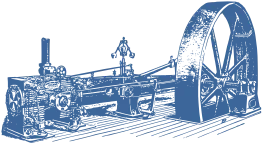
Many of these kits are quite old and date from a time when the average hobby machinist had just a steel rule and firm leg calliper which was set from the rule to do their measuring with. Not much point in giving them tolerances to 1/10ths when all they can really go by is feel. I would not mind betting that Keeley originally built that to fractional sizes rather than to the many two decimal place dimensions shown on the drawing.
Even today what people have in their home shops varies. Again why give an internal bore to 1/10ths tolerance when all they may have is a digital calliper that is not going to be able to measure as well as an internal bore mic that many won't have. Same with external diameters, the digi calliper is a bit better on external but will only read to 0.0005". Not everyone has a set of 10ths reading micrometers, I only have external micrometers thet go upto 1" and no internal ones but I get on and make engines.
The engines are built by one person, no need for part A and part B to fit if made in separate workshops or for spare parts to fit in the future so the old art of "fitting" is used. Spotting through holes from one part to another was common so no need to detail the positions on more than one part. This is becoming less common with more workshops having mills and DROs
Many kits started as a personal project, possibly someone had a full size engine and took measurements off that to make a model for themselves, may have done some form of drawings or could just be scribbled notes and fag packet sketches. Later someone sees the model and wants to build one so asks for a set of castings. Original builder may try to do better drawings or may leave it to a third party to come up with somethng. I have had several kits which came to me as just castings and there were never any drawings and maybe only one or two other completed models. They have built up into good working engines but someone who has not built a model before would find it difficult. So some drawings however poor are better than none at all.
I mentioned a few posts back about costs. There is not much money to be made from supplying model kits. What would be the cost of producing a commercial quality set of drawings all fully toleranced, etc? A fully working model (from current castings) would need to be disassembled, measured, fits worked out and then drawings produced. What payback period should the supplier aim to get their costs back, spread it over the next 5 casting sets or the next 20 but that could take 10 years or more. Even then would that address things like shafts running in aluminium? However it would not hurt to hand amend master drawings if errors were reported or include an A4 or Letter size sheet listing errors.
Jasonb
Reply #30 · 15 Apr 2026, 06:31 Though they look mor elike 5-6" to me
